

Iran’s strategic location on the world’s mineral belt, coupled with its vast reserves of precious metals, has established it as a prominent center for metalworking. Artifacts from the Iranian plateau, particularly gold and jewelry, showcase the country’s rich ancient civilization. The exceptional skill of Iranian artisans has consistently placed its jewelry industry among the world’s leaders.
Iran’s Gold and Jewelry History

Sialk Hills (Tape Sialk)
Notable pieces, such as the “Winged Goat” statue (450 B.C.), “Kelar Dasht Golden Cup“ and “Marlik Gold Cup“ are held in esteemed museums and private collections, highlighting the unmatched craftsmanship of Iranian jewelers throughout history, both before and after Islam. During the Achaemenid period , Darius the Great introduced the first gold coin, the “Daric“ while the Sassanid era saw abundant gold usage, with historians like Will Durant and Girshman noting the prosperous production and trade of gold and jewelry among the elite.


Kelar Dasht Golden Cup at Left and Marlik Golden Cup at Right
The artistic achievements of the Achaemenid and Sassanid periods were remarkable, with kings like Hormozd I and Khosrow II emphasizing the creation of luxurious ornaments. Byzantine and Arab historians acknowledged the global reputation of Iranian goldsmiths during this time. The Safavid period marked the peak of the gold and jewelry industry, where artists employed advanced techniques to craft intricate designs. Nader Shah’s campaigns to India impacted the industry, resulting in distinctive ornamentation.

Darik Gold Coin
Historically, Sistan mine is recognized as the oldest gold mine . gold mining in Isfahan’s Mooteh mine also dates back 8,000 years.The 20th century ushered in a new era for Iran’s gold and jewelry industry, influenced by changing fashion and increased European interaction. The Pahlavi dynasty saw the creation of new royal adornments, now housed in the central bank’s jewelry museum.

Isfahan’s Mooteh mine
Iran’s gold and jewelry history is rich with accolades for its artisans, who have captivated global attention with their unique creations. Isfahan, a city with over 400 years of goldsmithing history dating back to the Safavid era, became a hub for this craft under Shah Abbas I, blending art with daily life. Despite challenges, Isfahan remains the largest producer of gold artifacts in Iran, accounting for about 50% of domestic production.


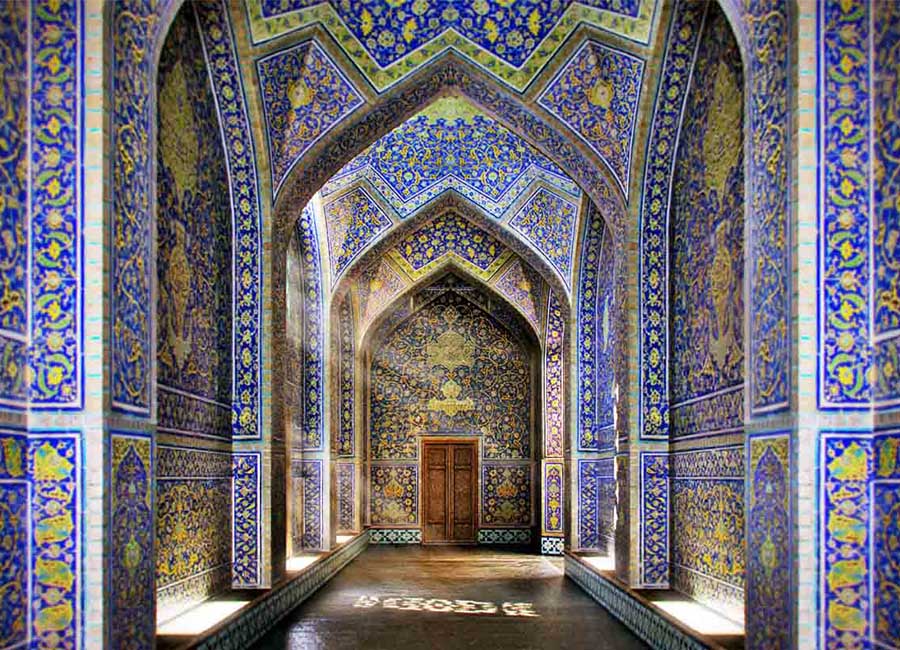
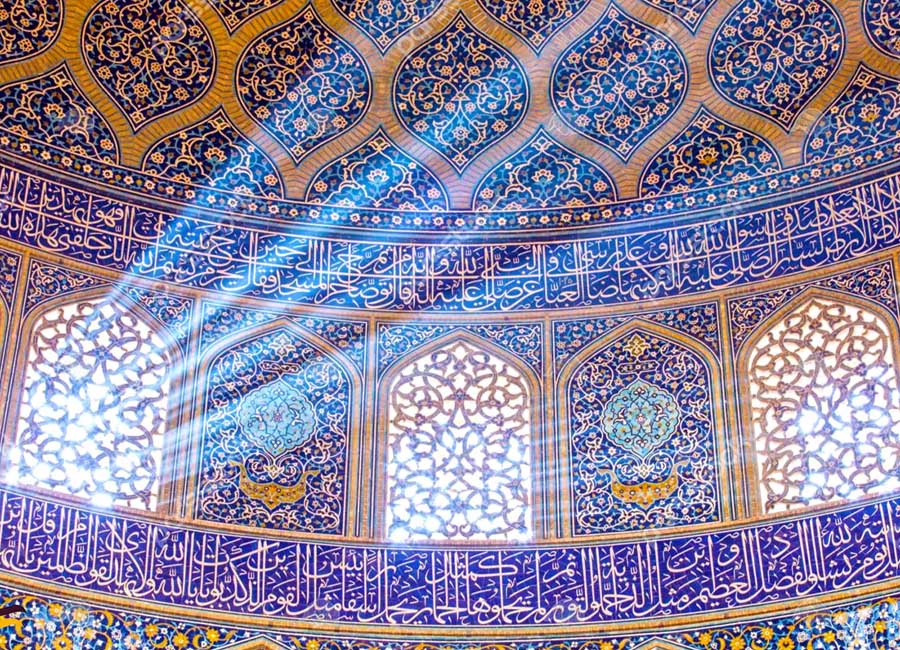
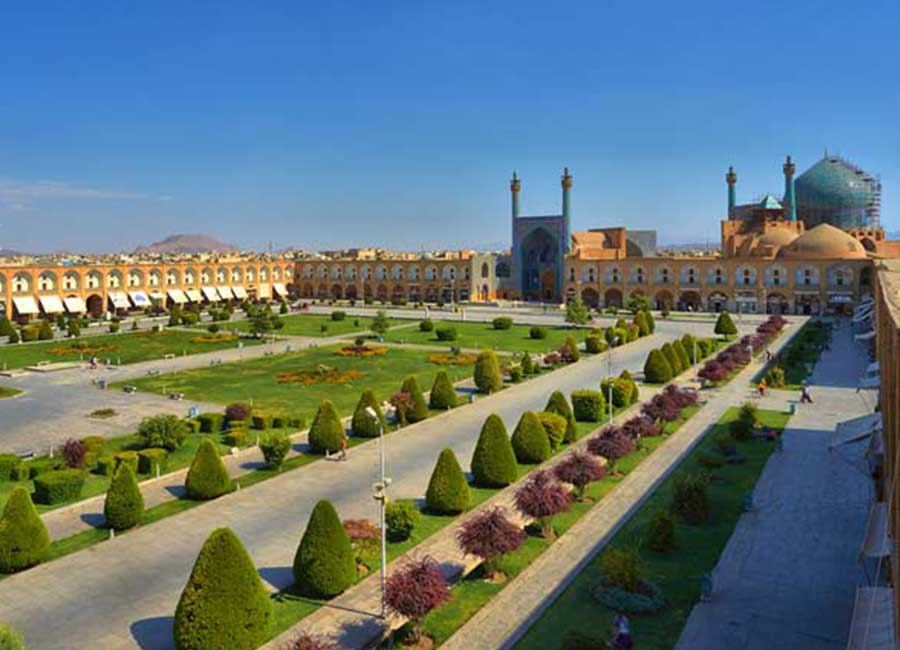
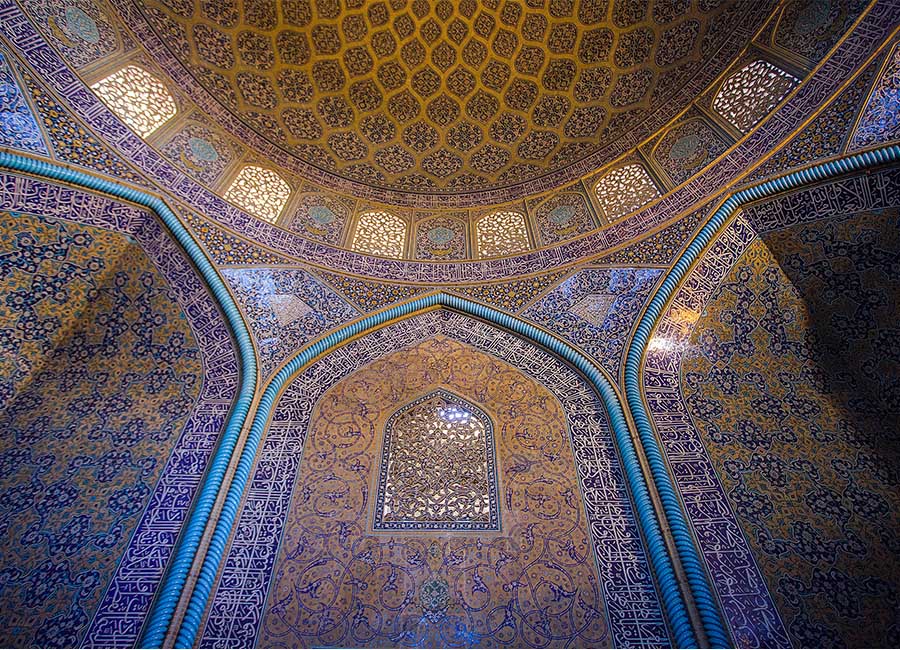

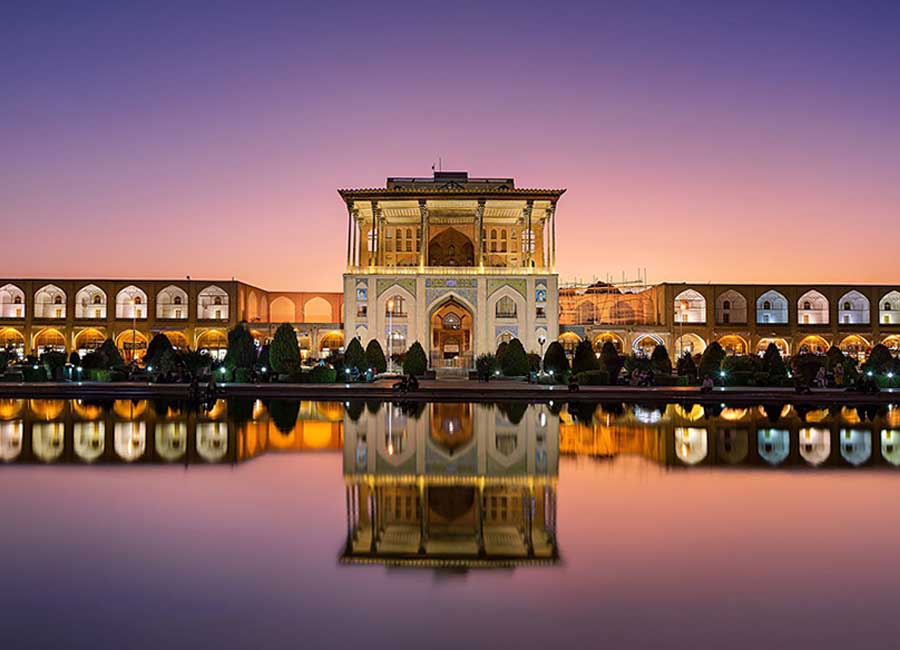
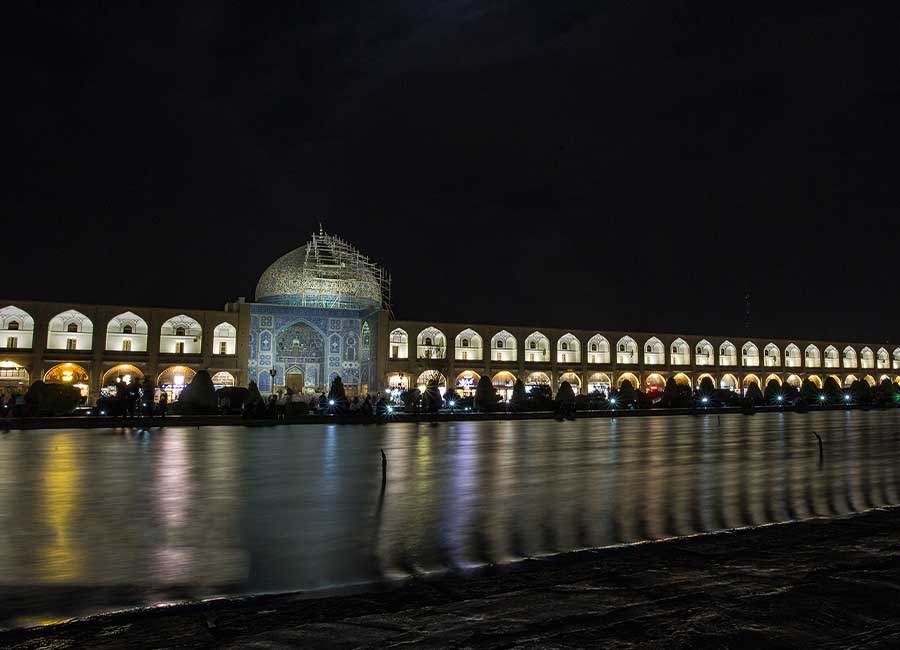
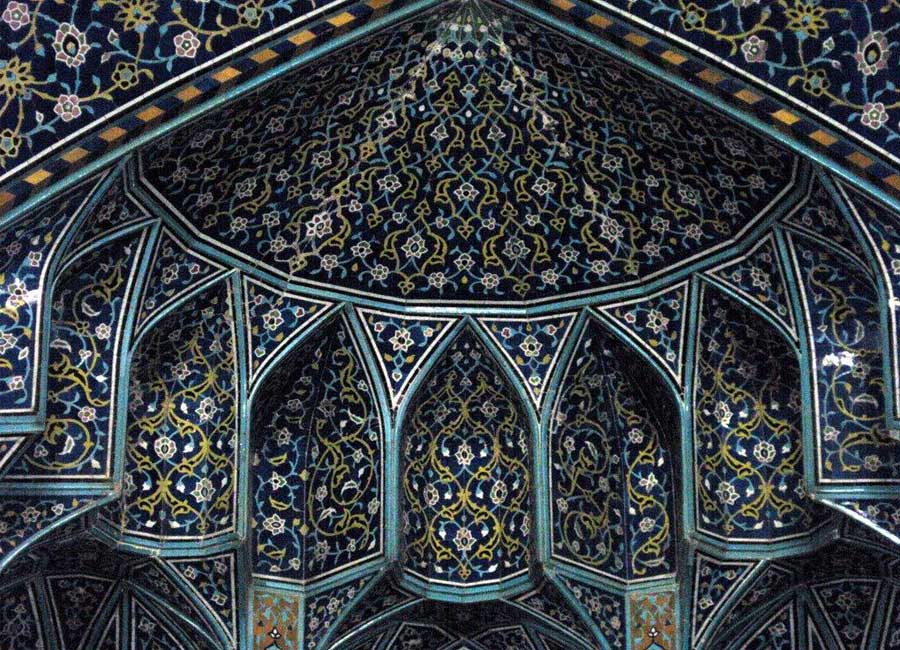
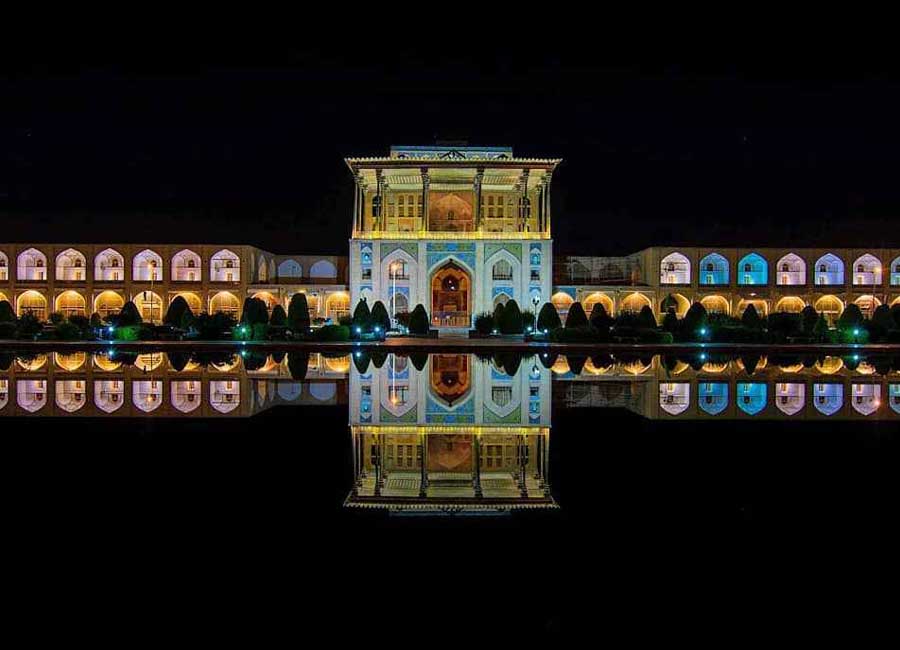
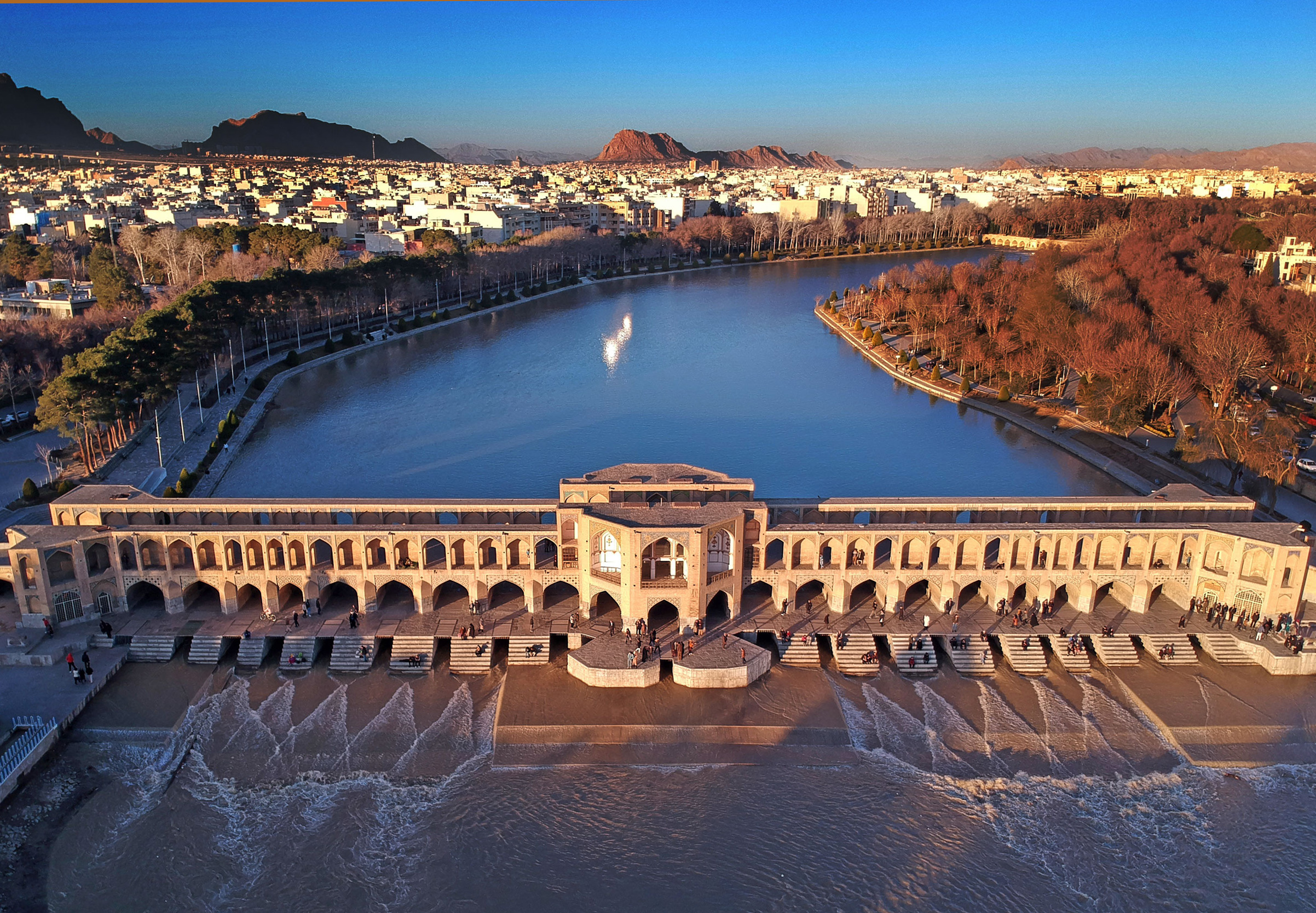
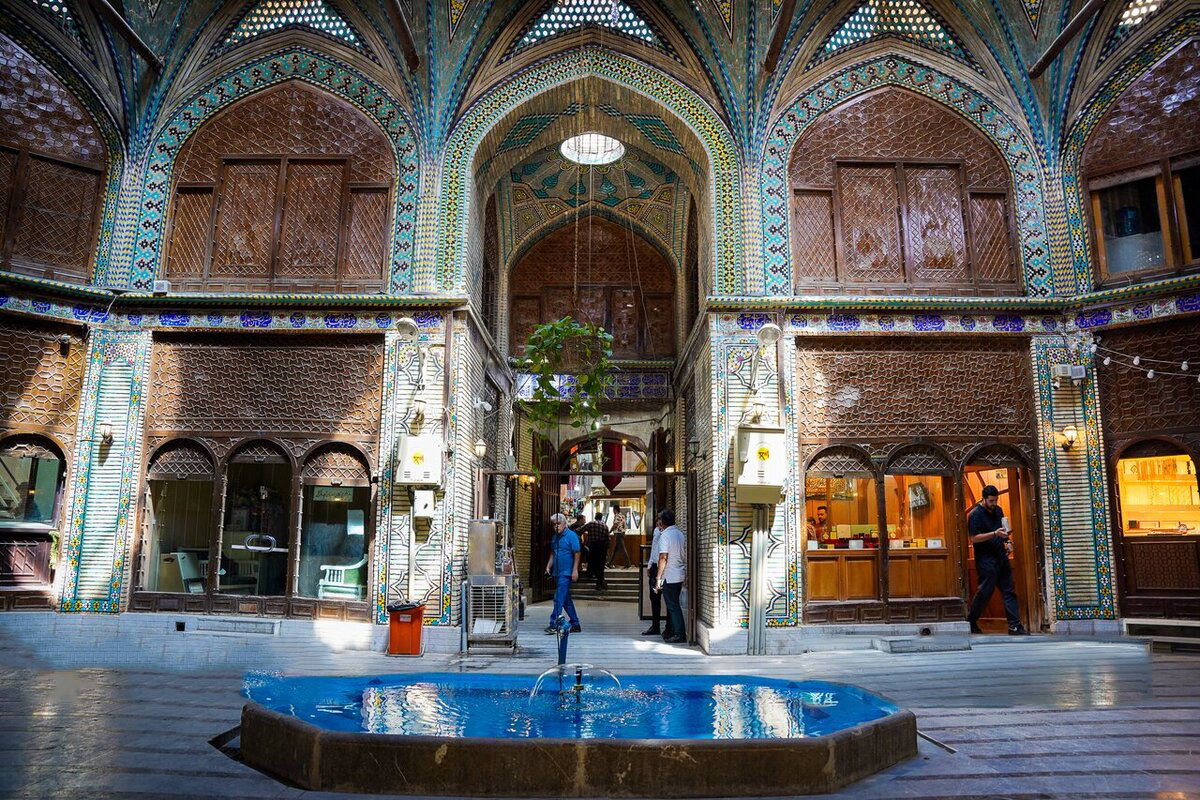
Isfahan’s Gold Stores
To enhance the competitiveness of Isfahan’s gold industry, a development project for the local gold cluster was initiated in the late 1980s and early 1990s. Following this, a comprehensive development network was established through the Association of Gold, Gem, Silver, and Precious Stones Producers and Exporters of Isfahan Province to elevate the industry and improve its business environment.

Isfahan Province Association Of Gold, Jewelry, Silver and Precious Stones Manufacturers and Exporters

Iran Small Industries and Industrial Parks Organization
In September 2024, with support from the Iran Small Industries and Industrial Parks Organization, Iran’s first gold and jewelry export consortium was formed to facilitate access to international markets for local industry players.

Zarin Gohar